
Perspective
Moon Gardening and Hair Cutting: One Old Tradition
Moon gardening and hair cutting share the same old belief: that lunar cycles guide growth. Here's where the tradition started, and how our system builds on it.
Long before anyone thought to time a haircut by the moon, farmers were timing their crops by it. Planting by the moon’s phases goes back centuries, showing up in Roman agricultural writing, in the farming calendars of ancient Egypt, and in the planting customs of many Native American tribes. Benjamin Franklin published a lunar planting calendar for colonial farmers, and that same almanac tradition still runs today through The Old Farmer’s Almanac.
The Garden Logic
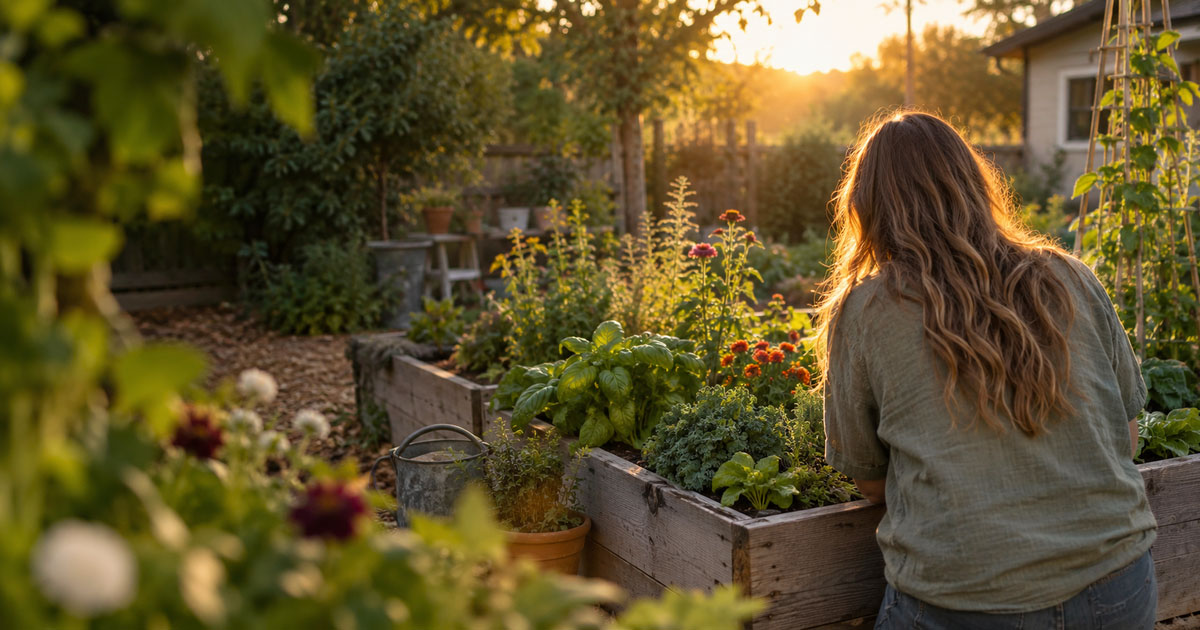
The reasoning was physical, not mystical. The moon pulls on ocean tides, so it seemed reasonable that it would pull on moisture in the soil too. A waxing moon, building toward full, was thought to draw sap and water upward, favoring leafy crops and anything that grows above ground. A waning moon, pulling back down, was thought to favor root vegetables and bulbs, since the pull had turned downward into the soil.
How the Idea Moved to Hair
That’s the part most retellings skip. Hair-cutting by the moon didn’t start with hair. It started in the garden and moved to the body because the same logic seemed like it should apply just as well to a person as to a plant. Hair grows fast, sheds constantly, and responds visibly to care, an easy target once people were already timing everything else by the moon.
We won’t tell you the tides pull on a scalp the way they pull on a garden bed. There’s no science behind that leap. What holds up is the habit itself: watching a natural cycle and choosing to work with it instead of ignoring it.
Where Our System Comes From
That habit is closer to what we built with our own calendar than the tides ever were. Instead of waxing and waning, we track the moon’s position against the zodiac each day and map it to five categories: Sow, Tend, Harvest, Shape, and Fallow. If you want the simpler waxing-versus-waning version of the tradition, see our waxing vs. waning guide.